
Reinventing Accommodation for the Creative Class: In Conversation with Twin City Global
POC & Jamiel Thompson | 25 November 2025
For a large proportion of the population, vacations are evolving from a backdrop to a creative ecosystem.
“Travel is now a vital strategy for both inspiration and making money.”
The new creative class (those paid to think and create) don’t identify as digital nomads. They’re multidisciplinary, hyper-mobile, and culturally fluent. Their homes double as studios, salons, or soft-launch venues. Their travels aren’t just holidays; they’re creative residencies, research trips, collaborations in motion.
According to the 2025 Future of Travel Work Index, over 54% of professionals in creative industries now combine travel with some form of project, collaboration, or content creation – a marked shift from pre-pandemic “remote work tourism.” The new value exchange is inspiration, not escapism.
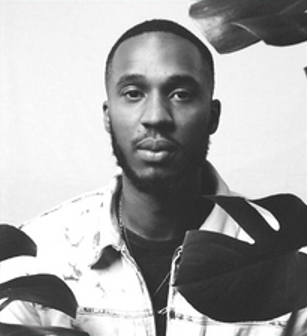
As mobility becomes part of identity, accommodation is evolving from a backdrop to a creative ecosystem. Twin City Global is a members-only travel and home-exchange community for creatives and travellers, and has been featured in the likes of Conde Nast Traveler and Elle. Members can exchange their homes across 37 cities through an invitation-only network that runs on a points-and-credits system. We sat down with Founder and Creative Director Jamiel Thompson to explore what travel and accommodation means to them now.
Q: We used to travel to disconnect – now it feels like we travel to reconnect with inspiration or community. What new rhythms of movement are you seeing among creative professionals?
I’ve stopped seeing travel as an escape; for this class, it’s a profound act of reconnection. The movement isn’t random, it’s networks expanding beyond borders. Think of a filmmaker in Berlin regularly touching down in Amsterdam or London because there’s something in that city’s niche scene they want to breathe in, to be a part of.
We’re also seeing moments of the cultural calendar making a massive impact. New York Fashion Week, Fête de la Musique, has become a powerful, democratic draw. You don’t need a ticket to the shows to feel the electricity and connect at the parties or just on the street. Brands like Nike understood this years ago.
But here’s the real shift: this movement is increasingly about opportunity. When the cost of living globally is outpacing wages, and third spaces, nightlight on steady decline, creatives the first to feel the pinch when art is deemed a luxury are looking further afield. Travel is now a vital strategy for both inspiration and making money.
Q: The idea of balance feels outdated – today it’s more about blend. How is accommodation responding to this blurring of living, creating, and socialising?
I have a theory that the pandemic shifted us into an alternative timeline. For a couple years we were all just floating on a rock trying our best not to catch a cold. We realized we were delaying our lives, our health, and our sense of purpose. The post pandemic “Great Resignation of 22’ ” No one wanted to go back to working, not in the way we did it before anyway because we finally asked, “Why am I doing this 40-hour grind?”
We realised that real luxury is now time to slow down and connection. You can’t buy that once it’s gone. Blended travel is an attempt to realize these insights. We see hotels curating experiences such as pilates classes, guided runs and a greater emphasis on solo travel, farm stays, and themed retreats. It’s all connected: we are collectively realizing the health of our minds and bodies is the most important asset we have. I mean try walking through Sydney, London or Amsterdam without spotting someone dressed head to toe in athleisure. We are in a new paradigm.
Q: Your network spans creative hubs from Tokyo to Paris to Bali. What cultural codes do you notice around hosting and being hosted? Does the concept of hospitality change across cities?
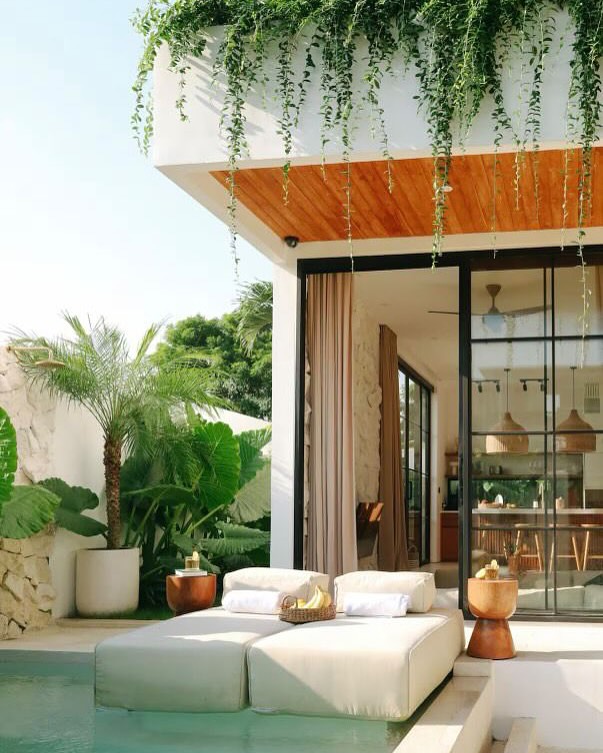
Your location has a way of reproducing behaviours you are not even aware of in your home and amongst your relationships. When I was in Bali, which is one of our fastest-growing markets, hosting felt so natural. People there tend to have more space, homes are often bigger, and many of our members are expats or people with multiple properties. They’ve had to build networks from scratch, make new friends, and live in the unknown. That experience creates a certain sensitivity toward others, a willingness to welcome and connect.
In Europe, it can be quite different. Many people have lived in one place their whole lives, surrounded by friends they’ve known for years. International conversations aren’t always top of mind in the same way.
And in bigger, busier cities, I’ve noticed people become hyper-independent. There’s less of a sense of community, this feeling that you can’t really rely on anyone. I actually think that’s one of the quiet killers of our humanity. I believe everyone should host and be hosted, there is such an intimacy in that. We’re built to care for each other; it’s hardwired in us. And when that’s missing, you can feel it.
Q: Curation is central to your model – but the best travel moments often come from chance. How do you preserve that sense of unpredictability while maintaining standards?
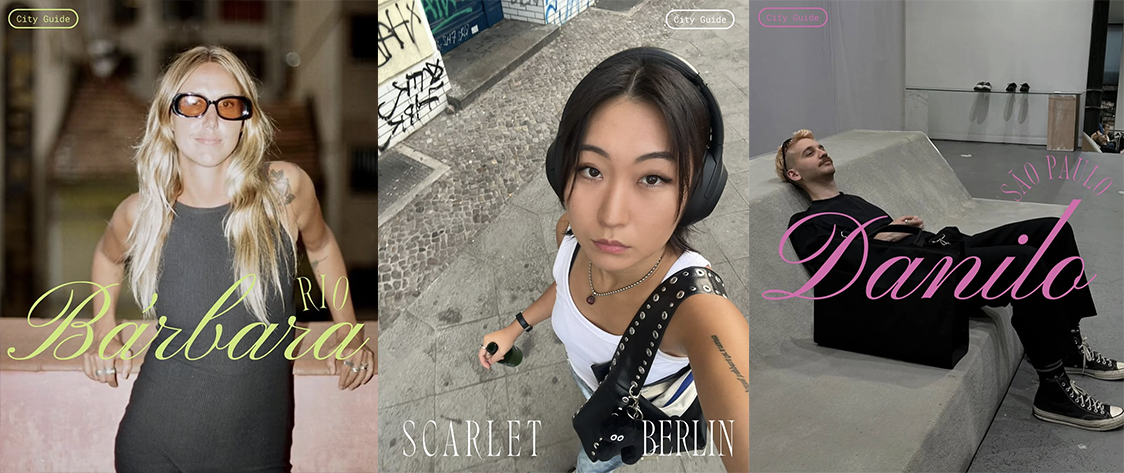
I think there’s only so much you can curate about someone’s experience. What we try to do is provide culturally rich, safe, and easy access points things like city guides and local insights so our members can lean into that side if they want to. But ultimately, we don’t plan your days for you.
Cities change constantly, and so do people’s moods and needs when they travel. The real magic comes from the connection between host and guest — that ongoing dialogue before and during a swap. That’s where spontaneity lives. You might ask, “Hey, is there anything happening this week I should check out?” or “ Is there anyone in your city you think I should meet for a coffee” and that small moment of exchange often leads to something you’d never have found in a guide.
Q: Some of your members use home-swaps as part of creative projects or brand development – almost like micro residencies. Do you think accommodation could become an active part of the creative process?
Travel fills the soul, it’s endlessly inspiring and creativity thrives on new experiences.
We run something called Open Home, which is essentially a creative residency where we gift stays to small brands and independent creatives. The only ask is that they make something while they’re away.
I was recently speaking to one of our members in Amsterdam, and she said, “I just want to go somewhere I don’t have to perform and pretend that everything’s okay.” It really struck me moments like that immediately quiet the noise. I could see her whole body relax as she said it, like she was finally allowed to breathe.
The reality for most modern creatives, founders, or anyone living an alternative lifestyle is that it’s harder than ever to just be. Even when you go on holiday, you risk missing a job, an email, a meeting. And on top of that, you’re expected to show up online and talk about how great you are or what exciting thing you’re doing next.
If you have the money you probably don’t have the time and if you have time you probably don’t have the money, there’s almost no time to be nobody anymore.
"We run something called Open Home, which is essentially a creative residency where we gift stays to small brands and independent creatives. The only ask is that they make something while they’re away."
Q: Trust has become a new luxury. How do you create intimacy and safety in a digital network where people are sharing personal space?
There’s no easy answer to this trust is built slowly, through a series of micro-judgments, many of which happen unconsciously.
Design plays a big role. It’s like walking into a coffee shop that feels intentional, clean, well thought out, with a point of view. The coffee might be the same anywhere, but when something feels designed with care, people instinctively relax. They trust it more.
The same is true for Twin City Global. It’s not a massive network of strangers — it’s a web of friends of friends, built gradually over time. Our members often meet in person through curated events and smaller experiences, so by the time you swap, it doesn’t feel anonymous.
You can tell there’s a human behind it all, someone with taste, care, and intention building a world that feels lived in, not manufactured.
"There’s this fatigue with performative "community"."
Q: If belonging is the new status symbol, what does that mean for the future of hospitality? Are we moving toward smaller, values-based circles rather than mass travel communities?
I think people are tired of being fed matrices by big corporates telling us they want to save the world. There’s this fatigue with performative “community.”
Niche is definitely having a moment. People want to be part of something that actually reflects their values, not a marketing campaign. Of course, big business will try to jump on that, as they always do, but I think this time it’s going to be harder.
We’ve seen too many examples of counterculture being co-opted and repackaged. The difference now is that people can tell when something’s real, when it’s built on genuine connection rather than scale.
